Mega Man, released in 1987 for the Nintendo Entertainment System (NES), introduced the world to the iconic Blue Bomber and a challenging new style of action-platformer. Developed by Capcom, this game laid the foundation for a long-running and beloved franchise. This Mega Man NES review explores the elements that made this game a classic.
Gameplay: Challenging and Innovative
Mega Man set itself apart with its non-linear stage select and the ability to gain defeated Robot Masters’ weapons. Players could choose which stage to tackle first, and upon defeating a Robot Master, Mega Man would acquire their unique weapon, adding a strategic element to the gameplay. Each weapon had its own strengths and weaknesses, making certain stages and bosses easier or harder. The game is known for its challenging difficulty, requiring precise platforming and skillful combat.
Non-linear stage select
Acquiring Robot Master weapons
Strategic weapon selection
Challenging difficulty
Graphics and Sound: 8-Bit Excellence
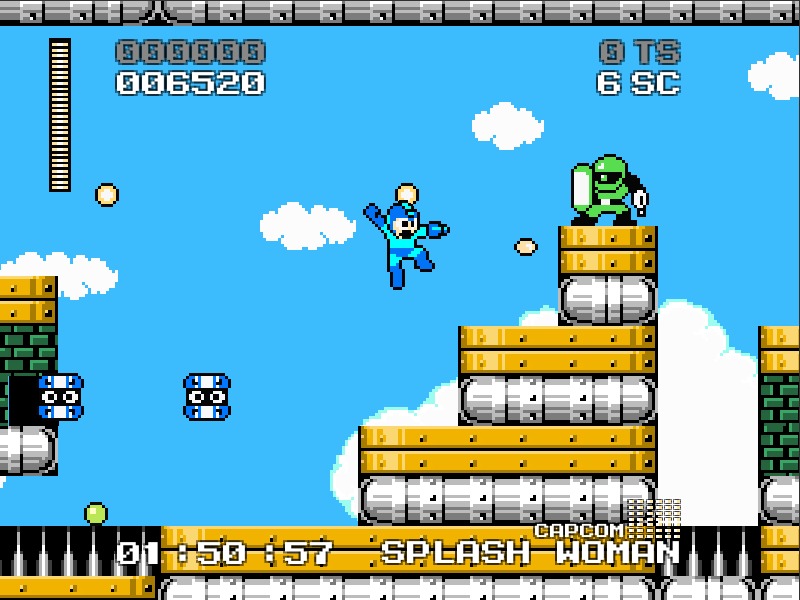
For an 8-bit game, Mega Man boasts colorful graphics and detailed sprites. The character designs are memorable, and the environments are varied and well-designed. The soundtrack, composed by Manami Matsumae, is iconic, with catchy tunes that perfectly complement the action. The sound effects, from Mega Man’s blaster to the Robot Masters’ unique attacks, are classic and recognizable.
Robot Masters: Iconic Villains
Mega Man introduced a cast of memorable villains known as the Robot Masters. Each with their own unique design, abilities, and stage, the Robot Masters quickly became fan favorites. From the fiery Fire Man to the electrifying Elec Man, these bosses provided diverse and challenging encounters that tested players’ skills and weapon strategies.
Legacy and Influence: The Birth of an Icon
Mega Man’s influence on the gaming industry is undeniable. It established many of the core elements that define the Mega Man series, including the non-linear stage select, weapon acquisition, and challenging gameplay. The game’s success spawned numerous sequels and spin-offs, making Mega Man one of Capcom’s most iconic characters. It is considered one of the best NES games of all time.
Why Mega Man is Still a Classic
Mega Man on the NES remains a classic due to its innovative gameplay, challenging difficulty, and iconic design. It introduced a formula that is still celebrated and emulated today. Whether you’re a long-time fan or a newcomer to the series, Mega Man offers a rewarding and challenging experience that has stood the test of time.
Mega Man 4, developed and published by Capcom, arrived on the Nintendo Entertainment System (NES) in 1991. As the fourth installment in the beloved 8-bit series, Mega Man 4 NES continued the tradition of challenging […]
Mega Man 2, developed and published by Capcom, is a seminal action platformer released for the Nintendo Entertainment System (NES) in 1988. Widely regarded as one of the greatest video games of all time, Mega […]
Mega Man 3, developed and published by Capcom, landed on the Nintendo Entertainment System (NES) in 1990, building upon the already stellar foundation of its predecessors. This 8-bit 2D platformer is often hailed as one […]