SimCity, developed by Maxis and published by Electronic Arts, launched on the PC in 2013 amidst immense anticipation. As a reboot of the legendary city builder series, it promised a modern take on urban planning, powered by a new engine and a focus on multiplayer. However, its release was marred by significant launch issues and controversial design decisions that ultimately defined its legacy. This SimCity 2013 PC review looks back at a game that was both innovative and deeply flawed.
Gameplay: GlassBox, Regional Play, and Small Cities
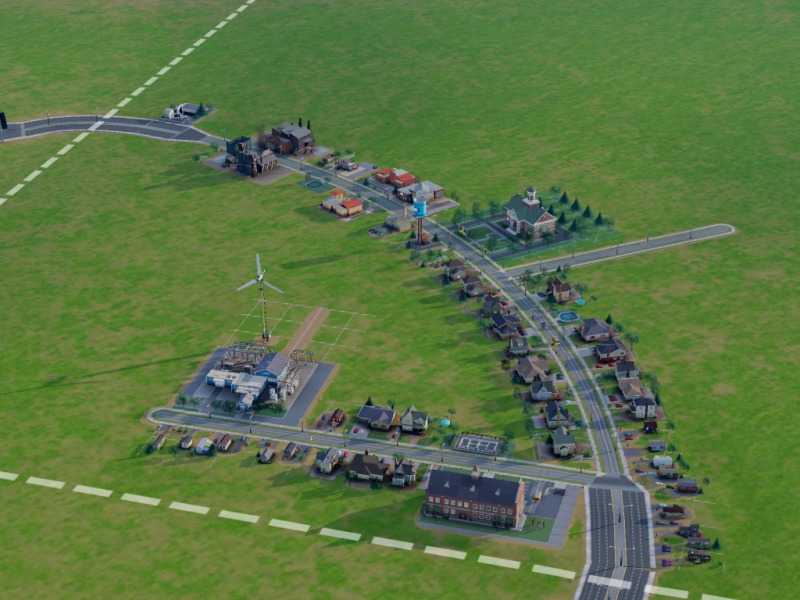
At its heart, SimCity (2013) aimed to deliver a vibrant and interconnected simulation game. The new GlassBox engine was a technical marvel, simulating individual Sims, vehicles, and resources flowing through your city. This created a visually engaging and seemingly organic simulation, where every decision had visible consequences.
A key feature was regional play, allowing multiple players to build cities within the same region, sharing resources, services, and even pollution. This fostered a unique cooperative and competitive multiplayer experience. Players could specialize their cities, for example, focusing one on mining and another on tourism. However, the most significant criticism was the severely small city sizes, which felt restrictive and prevented the grand, sprawling metropolises that previous SimCity games allowed. This limitation, combined with often erratic traffic AI, led to frustrating bottlenecks and inefficient urban planning.
Innovative GlassBox engine for detailed simulation
Unique regional multiplayer for interconnected cities
Specialization options for city development
Visually appealing and lively urban environments
Real-time resource management and service provision
Controversy: Always-Online DRM and Launch Fiasco
The game’s launch was disastrous, primarily due to its mandatory always-online DRM. Server issues prevented many players from even accessing the game they had purchased, leading to widespread outrage. While EA eventually addressed server stability and later introduced an offline mode, the damage to its reputation was done. The small city sizes and traffic AI issues further exacerbated player frustration, overshadowing the game’s genuine innovations.
Graphics and Sound: A Beautiful (but Limited) World
Visually, SimCity (2013) was stunning on PC. The vibrant, stylized graphics and detailed animations of individual Sims and vehicles created a charming miniature world. Zooming in to see the daily lives of your citizens was a delight. The game’s interface was clean and intuitive, providing clear data overlays for urban planning.
The sound design was equally impressive, with a dynamic soundtrack that adapted to your city’s prosperity and a rich tapestry of ambient sounds, from bustling traffic to the chatter of citizens. Natural disasters were also visually spectacular and audibly terrifying.
Legacy: A Flawed Vision
SimCity (2013) remains a contentious title. While it brought some genuinely fresh ideas to the city builder genre, particularly its detailed simulation and regional multiplayer, these were ultimately overshadowed by its technical failures and restrictive design choices. It led to the rise of alternative city builders like Cities: Skylines, which offered the large-scale, offline experience many fans craved. Despite its flaws, it’s a significant chapter in the history of PC gaming.
Is SimCity (2013) on PC Worth Playing Today?
Today, with an offline mode and patches, SimCity (2013) on PC is a more stable experience. For those curious about its unique simulation engine and regional play, it can offer some enjoyable hours. However, the fundamental limitations of small city sizes and sometimes frustrating traffic AI persist. It’s a fascinating, albeit flawed, entry in the SimCity series, best approached with an understanding of its historical context and design compromises.
SimCity, particularly the 1993 version for PC (often referred to as SimCity Classic), is a groundbreaking city-building simulation game developed by Maxis and designed by Will Wright. It revolutionized the gaming landscape with its open-ended […]
SimCity 4 elevated the core city-building mechanics to new heights. Players are tasked with designing and managing every aspect of a growing metropolis, from laying down intricate road and rail networks to providing essential services […]
SimCity 3000, developed by Maxis and published by Electronic Arts, is a classic city-building simulation game that allows players to design, manage, and grow their own virtual metropolis. Released for PC in 1999, SimCity 3000 […]