
Movies
A Nightmare on Elm Street Review
Review Ratings
Final Review Score
Amazing
Written and directed by horror visionary Wes Craven, A Nightmare on Elm Street (1984) revolutionized the supernatural slasher subgenre by blurring the line between dream and reality. Moving beyond the silent physical stalkers of the era, Craven introduced a burn-scarred killer who attacks teenagers in their subconscious sleep. In this detailed A Nightmare on Elm Street movie review, we examine how psychological terror, groundbreaking practical effects, and an iconic villain performance built the house that New Line Cinema built.
Dream Demons, Sins of the Parents, and the Battle for Springwood
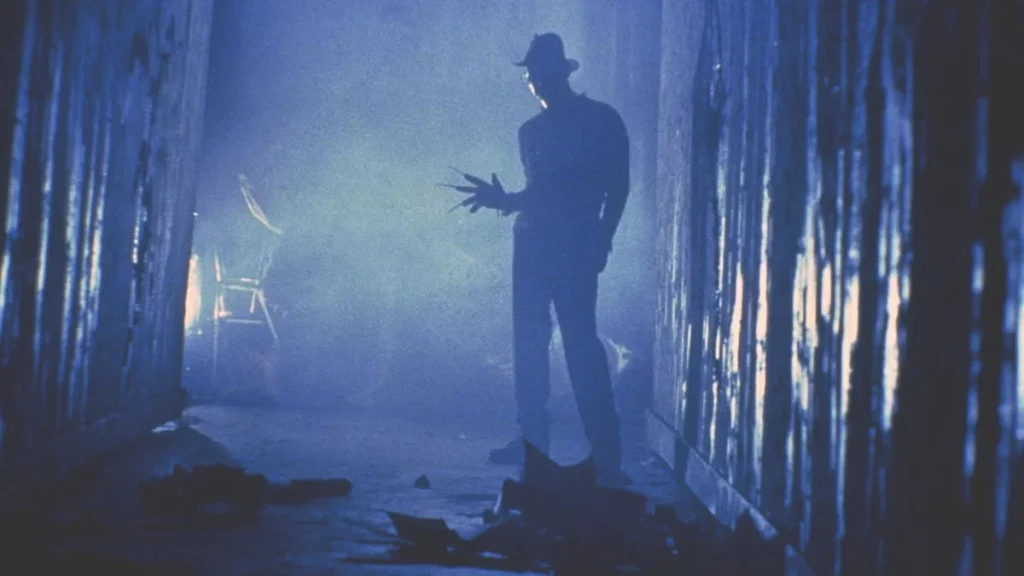
In the suburban town of Springwood, Ohio, teenager Nancy Thompson (Heather Langenkamp) and her group of friends—including Tina Gray, Rod Lane, and boyfriend Glen Lantz (Johnny Depp in his feature debut)—begin sharing identical nightmares about a terrifying figure. Wearing a filthy red-and-green striped sweater, a battered fedora, and a leather glove fitted with razor-sharp blades, Freddy Krueger (Robert Englund) hunts the teens in their sleep, with any injuries sustained in the dream world manifesting lethally in reality. As her friends are slaughtered one by one in increasingly gruesome fashion, Nancy uncovers a dark secret buried by her mother Marge (Roni Blakley) and police lieutenant father Donald (John Saxon): years earlier, local parents took vigilante justice into their own hands and burned murderer Freddy Krueger alive. Realizing sleep is inevitable, Nancy prepares elaborate booby traps in her house, determined to pull the dream demon into the physical world and destroy him.
Surreal Practical Effects, Rotating Rooms, and Charles Bernstein’s Score
Director Wes Craven crafts a masterpiece of dream logic, seamlessly transitioning from mundane high school hallways into oppressive, steam-filled boiler rooms. The film’s legendary practical special effects—including rotating rooms used to show victims thrown across ceilings, geysers of blood erupting from beds, and flexible wall prosthetics—remain stunning technical achievements. Composer Charles Bernstein delivers an unsettling synth score, combining mechanical pulses, eerie chimes, and a haunting nursery rhyme melody that instantly signals Freddy’s presence.
Robert Englund’s Legendary Debut and Heather Langenkamp’s Resilient Heroine
Robert Englund turns in a historic performance as Freddy Krueger, infusing the character with sinister sadism, dark humor, and theatrical threat long before the sequels leaned fully into comedic camp. Heather Langenkamp shines as Nancy Thompson, standing out as one of the smartest, most resourceful final girls in cinema history. A young Johnny Depp brings easy charm to Glen, while John Saxon and Roni Blakley provide strong adult drama that grounds the supernatural horror in familial guilt.
The Final Verdict
Ultimately, this A Nightmare on Elm Street review celebrates an innovative, visually terrifying, and timeless horror classic. Driven by Wes Craven’s brilliant concept, Robert Englund’s legendary performance, and Heather Langenkamp’s heroics, it remains an unquestioned landmark of American horror cinema.
Information
- Title: A Nightmare on Elm Street
- Release Date: November 9, 1984
- Director: Wes Craven
- Stars: Robert Englund, Heather Langenkamp, Johnny Depp, John Saxon, Roni Blakley, Amanda Wyss, Nick Corri
- Genre: Horror, Mystery, Sci-Fi
This post is part of A Nightmare on Elm Street Movies Ranked